Toggle Nav


Toll Free No. : 1660-01-12787

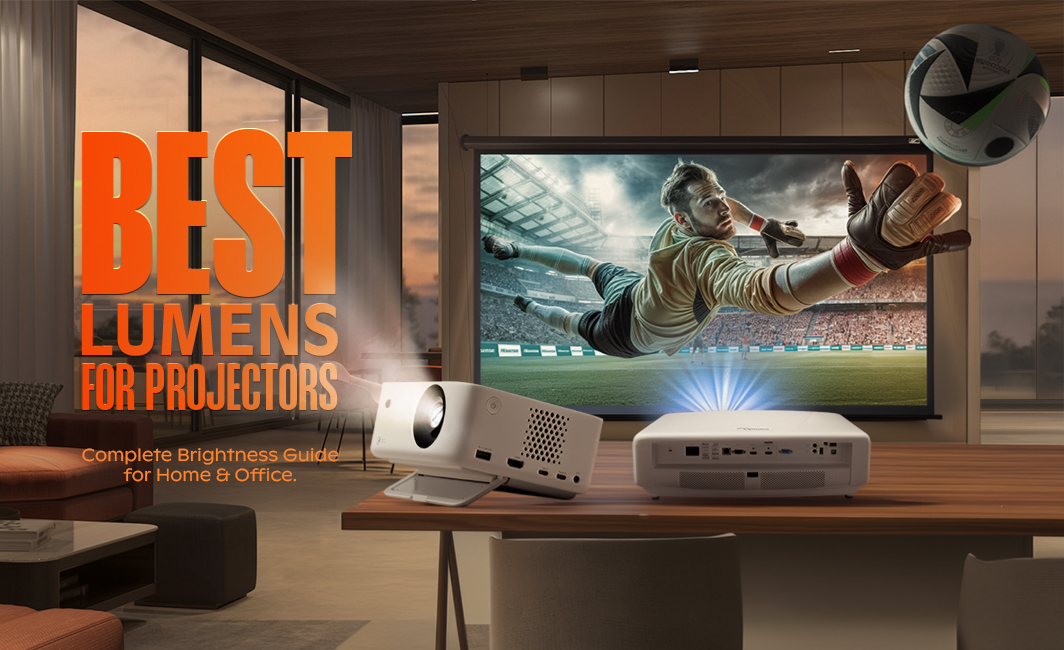
Projectors have been an integral part of the digital world for a long time. Because of the prevalence of these devices, many already know a fair bit. But despite this popularity, there are still many questions that confuse the general public. One such question is - what are the best lumens for projector? The specific lumen for the projector depends on use case, but in general, they range somewhere between 2,000–3,000 ANSI lumens for home setups and around 3,500 lumens for all-purpose projectors. But they can also range above 10,000+ lumens for large venues and events.
In this blog, we provide you with insight on the best lumens for projector by use case, key factors for determining lumens for projectors and more. But before we go into this, what is a lumen?
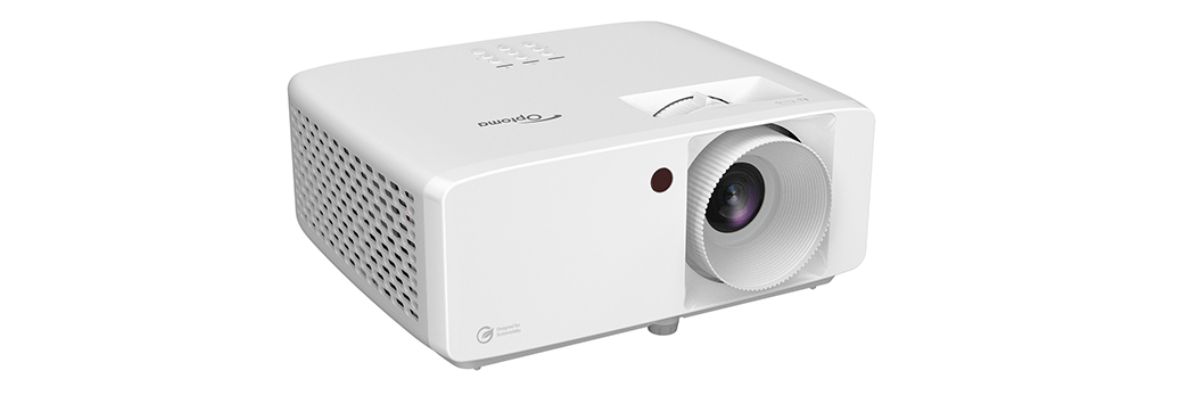
In simple terms, Lumens is the unit used to measure how bright a projector's image is. The value of lumens tells you the amount of visible light a projector can send to a screen. The higher the value/rating of lumen, the brighter and more visible the image is.
For projectors, you can see the brightness being listed as ANSI lumens. This is the standardized way of measuring the brightness across the entire image rather than for a specific point. This value is highly important as the ANSI lumen value provides you with a realistic idea of performance when compared to inflated or non-standard lumen values.
From the definition of lumens for projectors that we mentioned previously, it is rather clear that lumens for projectors are important for image quality. This value shows how bright and clear the projected image is. However, this does not exhaust all the significance that lumen plays. Here are some of the key reasons why lumens are important for picture quality:
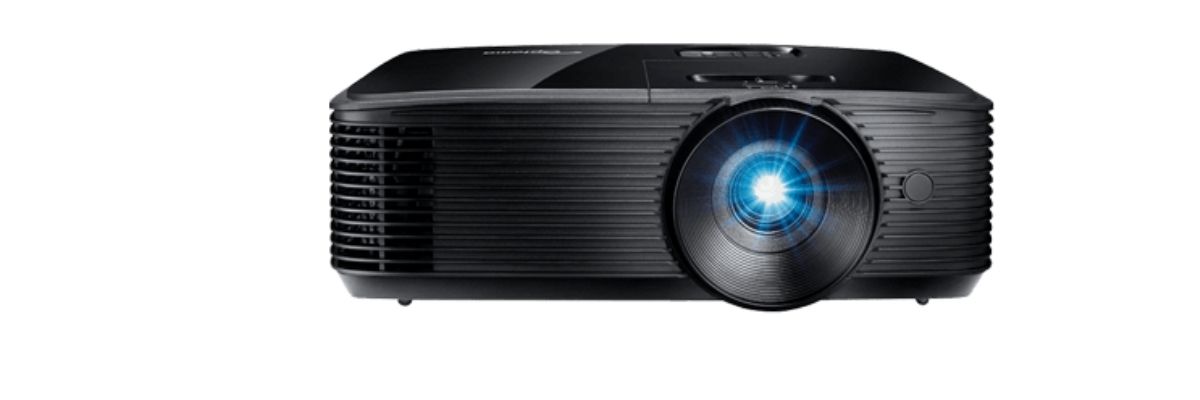
When selecting a projector for a particular application, one of the critical qualities to consider is the lumen rating of the projector. Often, people confuse lumen-rated projectors with image quality. And that's not entirely accurate, as there are situations in which increased lumens do not necessarily translate into better image quality. Instead, several different factors play roles in arriving at the ideal amount of lumens required to deliver high-quality images for a projector.

So far, we have discussed the actual value of lumens for projectors and various factors that affect the recommended lumens for projectors. In this part of the article, we will answer the final question: "What is the best lumens for projector?" Well, as we have already mentioned, the projector lumens for home use would differ from the lumens levels needed for other locations. Here are the most common use cases and their corresponding recommended projector lumens levels.
For a dedicated home theater where the room is dimly lit, or even dark, 1,500 – 2,500 lumens is typical. Going too high in a nearly dark room can actually produce poor contrast as the brightest elements in the image overwhelm the visibility of black pixels. The sweet spot is usually slightly above very dim ambient levels to provide adequate viewing brightness while retaining ample contrast.
For normal use in a living room with some daylight / general room lighting, a good brightness would be somewhere in the region of 2,500-3,500 lumens, providing a good balance of brightness and image quality for daytime / general room lighting conditions. A typical best bet for normal use might be somewhere around 3,000 lumens.
For use in offices, homes, and classrooms, a brightness of 3000-4000+ lumens will provide the level of illumination needed. Most offices and classrooms have existing lighting, but higher lumen projectors will amplify the already present light to ensure crisp, clear images of textual, graphical, and visual data.
For gaming, the sweet spot for throw is somewhere around 2,500 to 3,500 lumens, assuming the game is not being played in a pitch-black environment. After sunset, outdoor movie nights are a great way to enjoy a movie outdoors.
For outdoor nighttime use, a range between 3,000 and 5,000 lumens will be sufficient. Even after sunset, there is still ambient light, so it's important to have a brighter, more powerful projector.
For outdoor daytime projection, you need a high brightness. This is typically between 5,000 and 10,000 lumens. The sun can easily overwhelm weaker models, so only high-lumen models are able to deliver a visual image under these conditions.
If you want to use large screens or have a large audience, then you will need more than 10,000 lumens. The extra brightness helps to ensure the image remains clear, consistent and bright even when viewed from afar and over a larger viewing area.
It is important to know where you will be installing your projector, as well as the projector's function, before choosing the best lumen values. If you're not familiar with the lumen values, it's easy to make a mistake. The following are some of the common mistakes made when selecting lumens for projectors:
With the key aspects about lumens values for projectors cleared, let's quickly cover some of the best projectors for every brightness level. Knowing the projectors allows you to make an informed choice so you can get the best projectors regardless of your needs. Following is a list of some of the best projectors for every brightness level, along with their price and lumen value.
|
Projectors |
ANSI Lumen Value |
Price in NPR |
|
1500 |
193,750 |
|
|
3800 |
120,000 |
|
|
4000 |
75,000 |
|
|
3700 |
127,500 |
|
|
5200 |
237,500 |
|
|
4000 |
128,125 |
Projectors are an integral part of many formal, educational, and entertainment centers in modern times. They can be used to display just about anything you need over a wide area. But it is important for you to know the best lumens for projector before making a purchase. Depending on your needs, the ideal lumens can range anywhere between 2000 and over 10,000 ANSI lumens.
In this blog, we provided you with a guide on what the best lumens for projector are, along with additional supplementary information. We hope you found this helpful. If you seek further insights on various digital devices, such as laptops, do check out some of our other blogs. And if you want the best projector in Nepal, look no further than Nagmani International - the best distributors of genuine projectors in Nepal. Thank you for reading till the end.
1 ANSI lumen is a standardized brightness unit, but it doesn't convert cleanly into LED or ISO lumens because those are measured differently. In general, ANSI lumens are considered more accurate and lower than many marketing-based lumen ratings. Therefore, one ANSI lumen must be considered as a precise reality-based measurement rather than just being a conversion formula.
2000 lumens are a good choice for home projector use in a dark room or when there's some dim lighting around. This measure provides adequate illumination for viewing movies, playing video games, and even for making presentations, although not too effective under high-lighting circumstances.
200 ANSI lumens is a low level of illumination that works only in pitch-dark rooms with small screens. In most cases, such a low level of brightness is suitable for pocket-sized projectors used for occasional home screenings.
1000 ANSI lumens represent a good standard for home use in small rooms with low levels of lighting for watching films, and even for making presentations. However, this level is unsuitable for use in brightly-lit rooms.
400 ISO lumens are quite a low number to consider as a sufficient illumination level for any kind of projector. It works best in completely dark environments and small projection sizes. In any ambient light, the image will lose clarity and brightness quickly.
There is no exact fixed conversion between ANSI lumens, ISO lumens, and generic "lumens" because they use different testing methods. In general, 1 ANSI lumen is roughly equal to about 0.8–1 ISO lumen, since both are fairly close in measurement standards. However, "LED lumens" or plain marketing lumens are often inflated, so 1 ANSI lumen may appear equal to around 1.5–3 LED lumens in listings. This is why ANSI lumens are considered the most reliable and consistent way to compare projector brightness.