Toggle Nav


Toll Free No. : 1660-01-12787

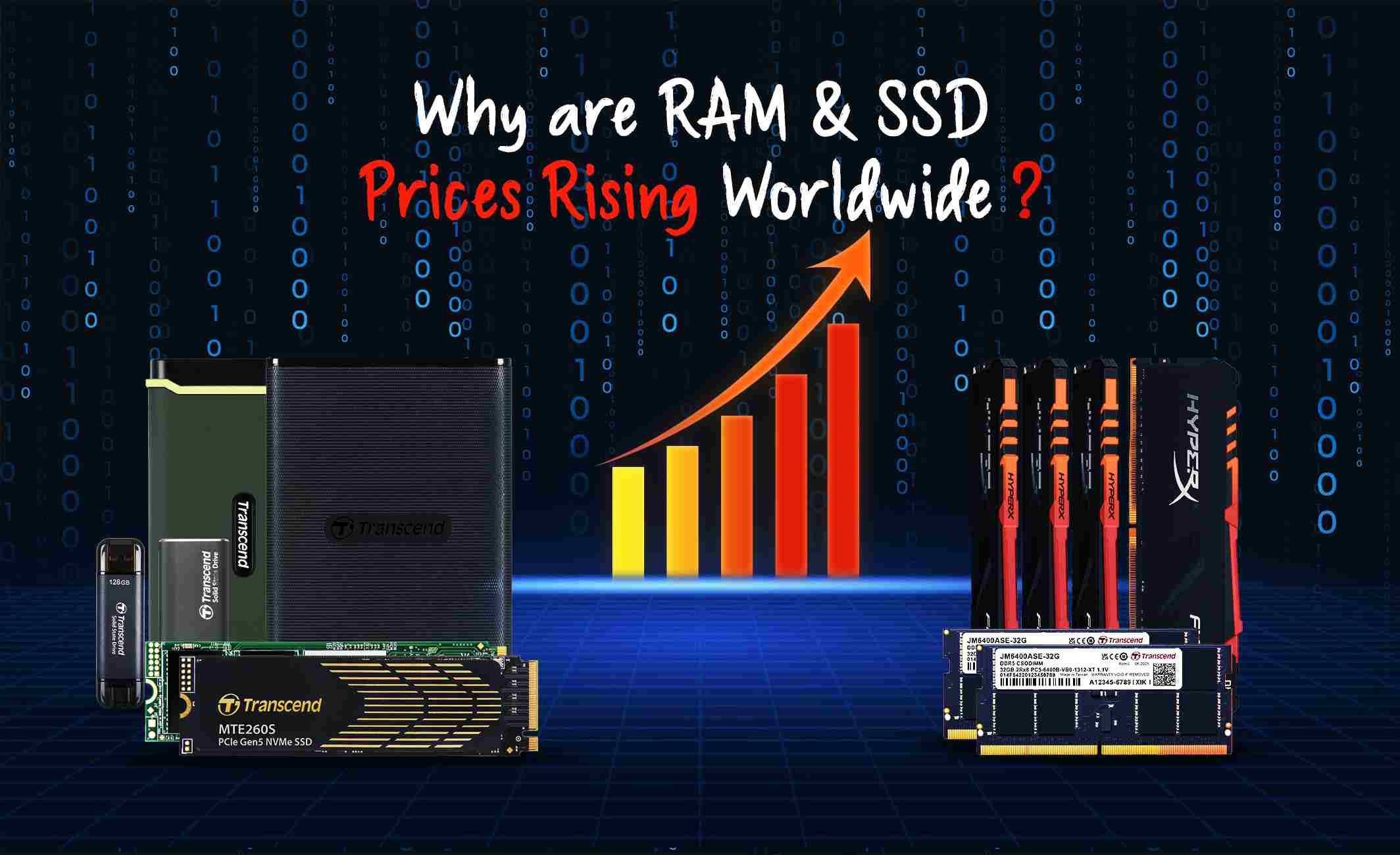
As of recently, the cost of RAM and SSD for all devices, including computers, smartphones, and smart TVs, has been continuously rising. This continuous rise has led to an increase in the price of all devices which feature either RAM, SSD, or both. International media outlets have reported that the price of RAM and SSD has increased due to high demand for artificial intelligence and the decrease in production supply. Furthermore, recently, big modern tech companies across the globe are building large data centers to run AI systems, which require a large amount of high-capacity RAM known as HBM. Additionally, to run these AI systems, they also require high amounts of storage, which can also be considered a key cause for the rise in the price of RAM and SSD. In addition, it doesn't help that the memory market is also dominated by just three manufacturers, with Samsung Electronics, SK Hynix, and Micron Technology holding over 93% of the world's memory production. But this is just a glimpse into the key reasons why RAM and SSD prices are rising globally.
In this blog, we give you some of the key factors behind the rise in prices of RAM and SSDs globally, along with how this rise in price is impacting PCs, Laptops, and Phones in 2026. So, considering this, let us start!
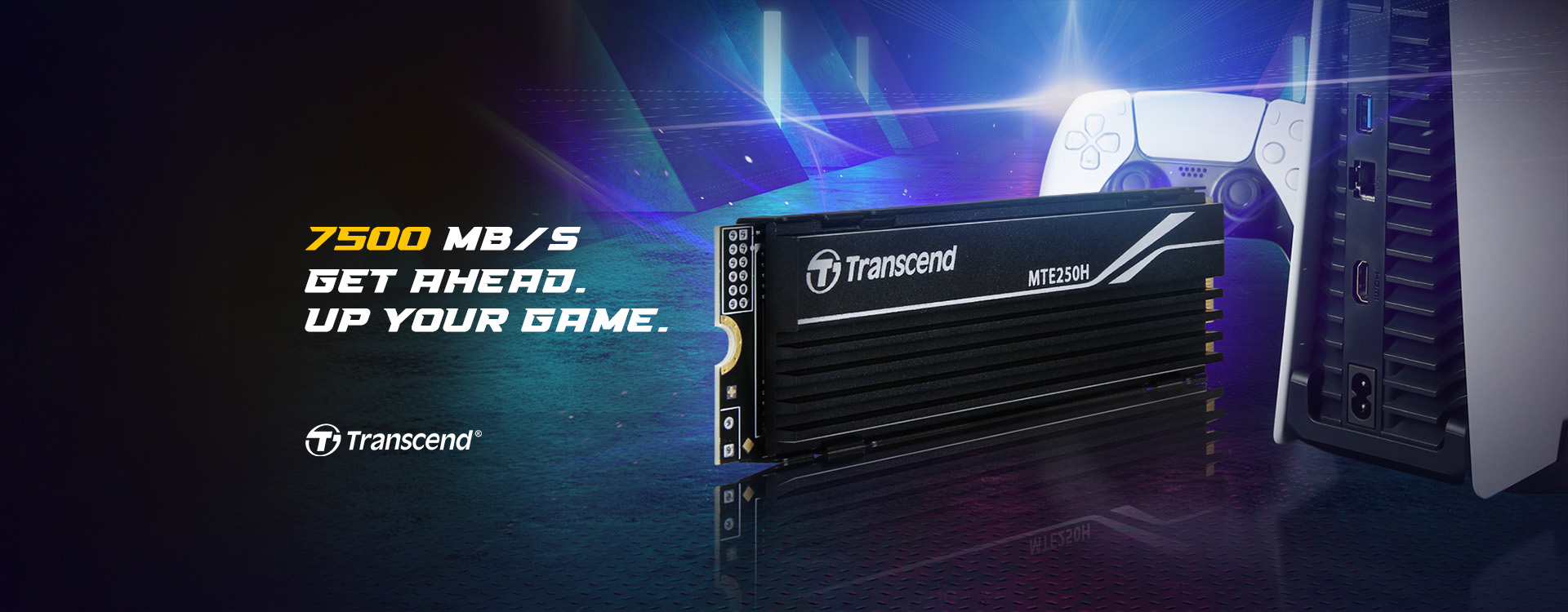
The recent surge in the prices of RAM and SSDs has been attributed to a shortage of supply and rising demand. As AI becomes increasingly popular, memory companies prefer to manufacture memory chips for data center use rather than consumer-grade DRAMs and NAND Flash. In addition, there are only a few companies that dominate the global memory market, making it tough to ramp up production.
With demand exceeding supply, the prices of memory have gone through the roof. Not just the standalone RAMs and SSDs, but even laptops, desktops, smartphones, and servers have seen an increase in prices. This will help you understand why memory is one of the fast-rising PC components in 2026.
After having talked about the surge in the prices of global memory, let us now look at the factors behind the rise in RAM and SSD prices globally. As a result, the prices of DRAM and NAND Flash have increased significantly, impacting not just standalone RAM and SSDs but also laptops, desktops, servers, and smartphones. After having understood the surge in the prices of global memory, let us now look at the reasons behind the rise in prices of RAM and SSDs.
As opposed to the processors, which have a number of competitors among the leading manufacturers of semiconductor devices, in the global memory market there are just three leading brands - Samsung Electronics, SK Hynix and Micron Technology. These companies provide about 93% of the global DRAM market share, which is a very large figure for any company in such a highly competitive market as the electronics industry. However, since the creation of a semiconductor factory lasts for many years and requires huge financial investments, the increase in production isn't an easy thing to achieve.
The memory industry is always characterized by the very high sensitivity to the supply and demand ratios. In case of the increase in production of memory modules beyond the current level of demand, the price drop is inevitable along with the losses of the profit margin. Having had an experience of the price drop due to the increase in production, memory producers have become more careful in relation to expansion of production.
In the modern world, the demand for memory doesn't come from PC users who are willing to upgrade their computers anymore. It is caused by artificial intelligence companies, which want to create very powerful data centers for running complex AI algorithms.
For today, to support all needs of the modern AI workloads, the manufacturers of such hardware are paying special attention to High Bandwidth Memory (HBM), which is considered the most advanced type of memory and has a much higher level of speed and bandwidth than DDR memory. In order to achieve a much higher profit margin, manufacturers pay much attention to HBM production.
The technology companies are spending billions of dollars on the construction of AI infrastructure, and with every new generation of AI hardware, they require massive amounts of HBM memory. Due to the fast growth of AI data centers, there is an increased need for advanced memory, which means that manufacturers should build many more high-performance chips within limited manufacturing capacity.
Instead of opening new factories, the memory manufacturers are converting their current production capacity from DRAM to HBM production, because the technologies used in the production of these two types of memory are similar; thus, every HBM production line reduces the production capacity for consumer RAM. In this situation, it is easy to see that this choice is logical for manufacturers.
Since there is more and more production aimed at AI memory, the supplies of DDR4 and DDR5 memory have become limited. Companies pay attention to producing enterprise and AI memory products, whereas PC manufacturers buy more memory to keep reserves. That is why the RAM supply became limited while the demand increased significantly.
The manufacturing process of HBM is much more complicated compared to ordinary DRAM. It takes more time and uses more wafer capacity. Therefore, manufacturers can produce much less HBM than ordinary memory for the same manufacturing resources. That is why, as more factories start to produce HBM, there is not enough consumer memory produced.
Apart from RAM, AI systems require enormous storage capacity to store data and perform calculations, causing the demand for NAND flash memory, which is used in SSDs, to go up. As a result, since the major manufacturers of both types of devices are producing both DRAM and NAND flash memory, their production capacities are overstretched, causing the prices of SSDs to rise.
As the price of NAND flash increases, the price of SSDs increases in tandem. On the other hand, the situation is spreading to the world of storage, with some users opting for HDDs in favor of SSDs due to their lower price. This leads to further increases in the cost of storage, illustrating the impact of the AI boom on the industry.
The global shortage of RAM and SSD is having a massive impact on the technology industry. This cost inflation of these two specific parts of a smart device or a computer is also increasing the overall manufacturing cost, forcing hardware brands to rethink price strategies, product configurations, and other aspects of manufacturing hardwares. Because of this, consumers and businesses both are facing the effects. Some of the key ways in which RAM and SSD cost inflation is affecting PCs, Laptops, smartphones, and other devices include:
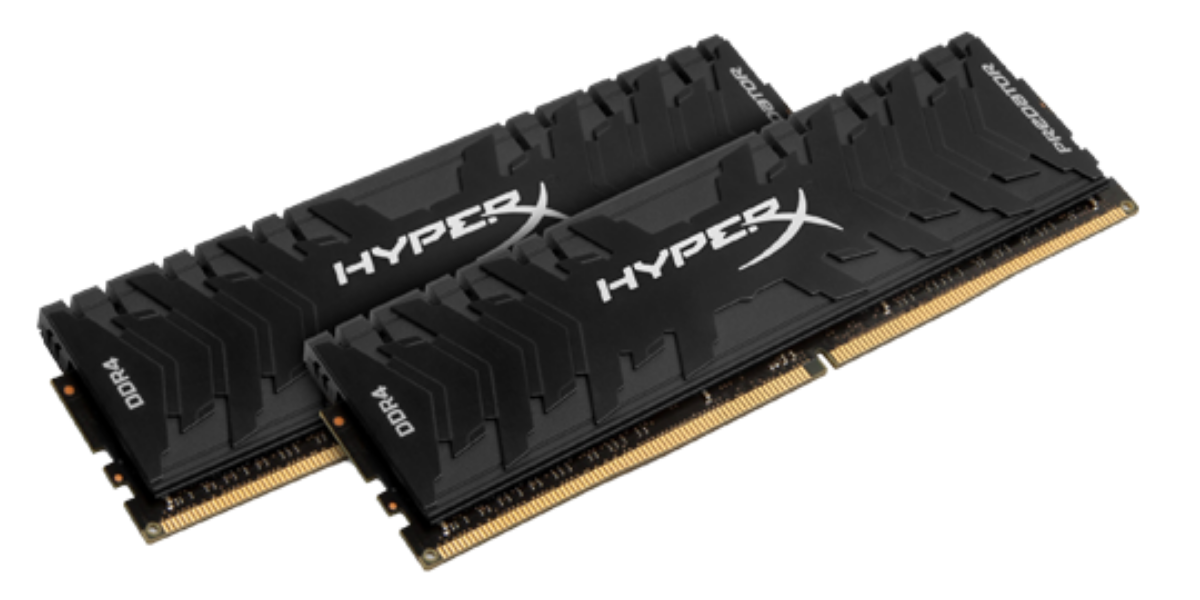
Whether you should buy RAM and SSD now or wait is dependent on your requirements. While many hope the prices will return to previous levels, industry trends suggest that the prices will continue to rise due to high demand for AI and limited manufacturing capacity. Therefore, if you are planning to build a PC or upgrade an already existing one, waiting for a long time may not be a good idea. Some of the key things you should consider include:
Overall, if you need to purchase RAM or an SSD in 2026, it would be wise to buy or at least wait for a sale. However, note that sales and discounts will assist you save money temporarily, but based on the trends and growing demand, the prices of RAM and SSDs will continue to increase.
The rise in RAM and SSD prices is more than just a temporary market fluctuation - rather, it reflects a major shift in the global industry. This global rise in RAM and SSD cost is driven by factors such as rapid growth of artificial intelligence, limited manufacturing capacity, and the concentration of production among just three manufacturers. Companies are prioritizing high-performance memory for AI data centers, and as a result, the supply of memory for the general consumer has tightened, resulting in higher prices for RAM, SSDs and any devices which rely on them. That said, you can still get seasonal discounts on these components.
In this blog, we provided you with insights on why RAM and SSD prices are rising worldwide alongside a few additional insights. We hope you found this helpful. If you would like to learn more about the different features of laptops and their parts, you should definitely visit some of our other blogs. Nagmani International is the only destination for getting the best RAM and SSD in Nepal because it is an authorized distributor of ASUS and Lenovo products in Nepal.
The prices of RAM and SSD are going up because of multiple reasons, including growing demand for AI, shortages in production, and shortages in supplies. The demand for High Bandwidth Memory (HBM) has become especially large since manufacturers need it for building AI data centers, which provide higher profit compared to consumer-grade DRAM and NAND flash. As there are only a few suppliers that make most of the world's memory, supply cannot be increased fast enough, which raises the prices for it.
It is unlikely that there will be a sudden price drop in the coming period. It seems that there are certain trends within the industry which imply high demand for memory in the following years as AI infrastructure is being built around the world. Seasonal reductions and sales can be helpful in reducing prices, but it is believed that prices will stay relatively high in 2026.
If you are going to build a PC or upgrade your computer in the next several months, it is probably better to buy it as soon as possible. As the prices for the memory are likely to stay high or rise even further, you won't gain any benefits by waiting for the moment when you could buy it cheaper.